Protect racking against impact damage

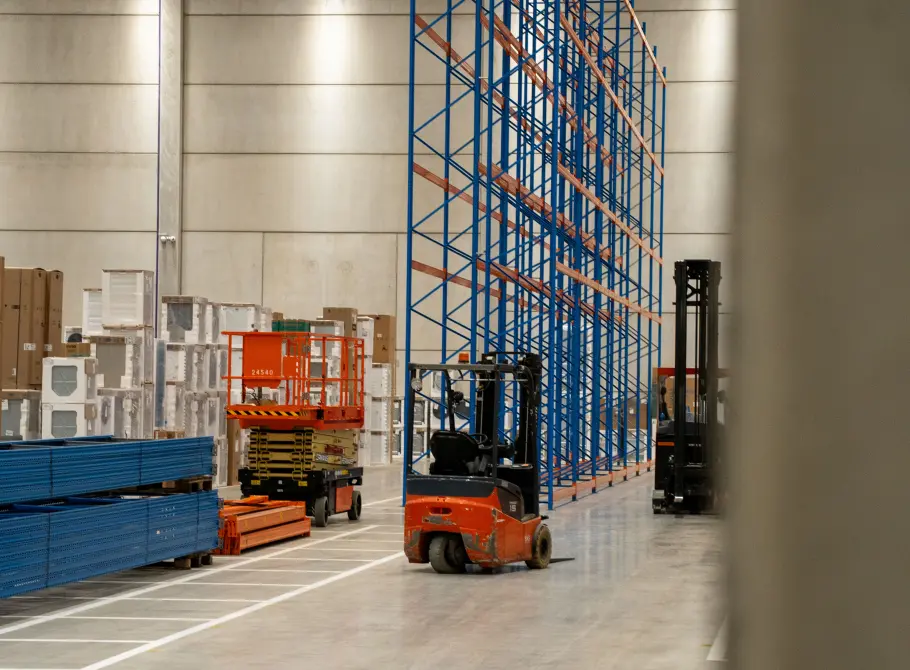
Forklifts drive past warehouse racking every day, turn into aisles and place pallets close to the structure. As a result, rack uprights and the end sections of racking rows are often positioned close to internal transport.

Do you already see damage? Then the first question is what that damage means for the safe use of the racking. If there is no damage yet, you can take preventive action to stop a vulnerable point from becoming the next impact area.

We combine protective measures with our expertise in inspection, damage assessment, maintenance and repair of warehouse racking.

Where is warehouse racking most vulnerable?

Where is warehouse racking most vulnerable?

Not every part of a racking system is exposed to the same level of risk. Uprights along aisles, end sections and racks located near manoeuvring areas are particularly close to forklifts and other transport equipment.

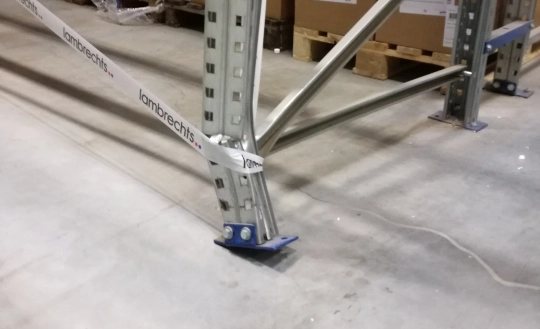
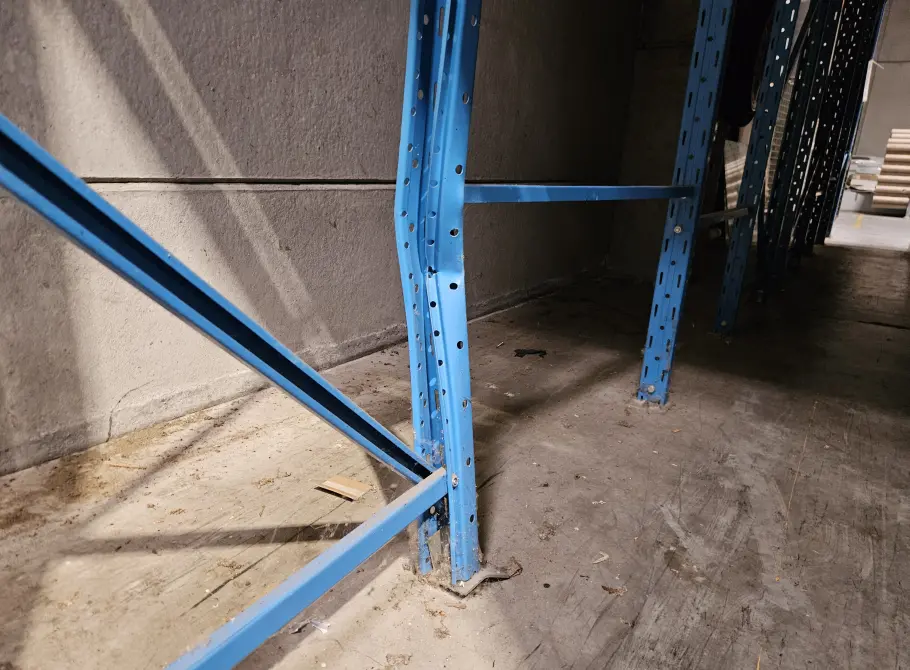
Minor damage close to floor level deserves attention. It may indicate that internal transport is regularly manoeuvring too close to the racking.

It is also important to regularly inspect existing protection. During our inspections, we assess, among other things, deformation and impact damage, connections, fixings and the condition of any existing protective measures.

The location of the damage therefore only tells part of the story. The traffic situation and the condition of the racking also help determine which action is required.
Why is it important to protect racking?

Why is it important to protect racking?

Warehouse racking carries goods and forms an important part of your storage system. Damage to an upright, beam or other structural component can affect its safe use.

Damage can also result in practical costs. The racking may need to be assessed or repaired, and a storage area may temporarily be unavailable for normal use.

Racking protection and inspection each serve a different purpose. Racking protection helps reduce new impact from internal transport. An inspection provides insight into the current condition of the racking and any existing damage.

Why does impact damage occur, and when is more than racking protection needed?

Narrow aisles, tight turning movements and intensive forklift traffic can reduce the distance between vehicles and racking. Changes in goods flows or adjustments to the warehouse layout can also create new risk points.

If the same upright or end section is hit repeatedly, simply repairing and protecting it again may not be sufficient.

That is why we also look at the underlying cause. Is there enough manoeuvring space? Does the traffic route still suit the current use? Is the existing impact protection correctly positioned and still in good condition?

Sometimes additional racking protection is the logical next step. In other situations, inspection, repair or a change to the warehouse layout may be needed first.

Why does impact damage occur, and when is more than racking protection needed?
How can you protect racking against collisions?

How can you protect racking against collisions?

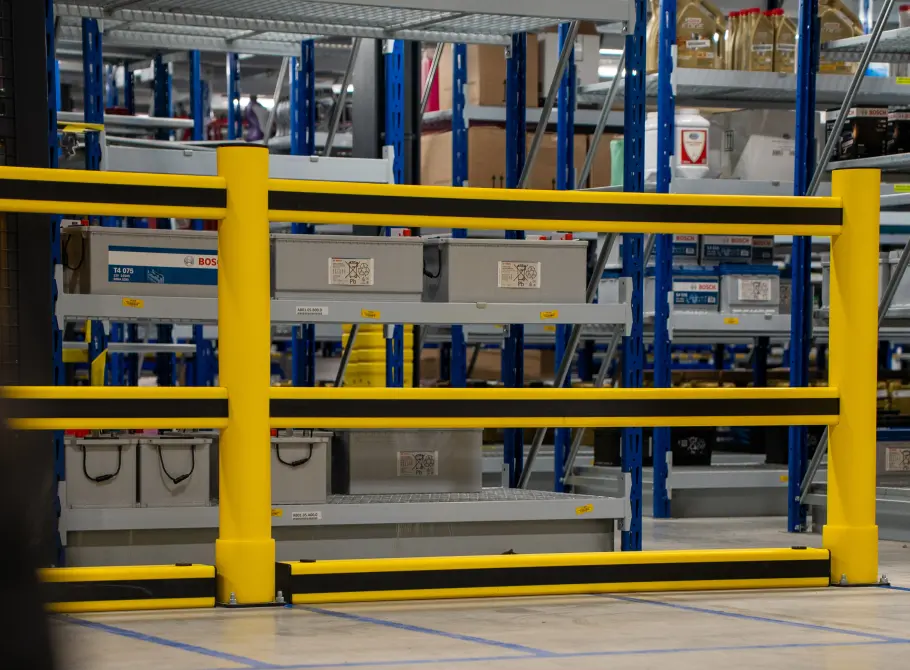
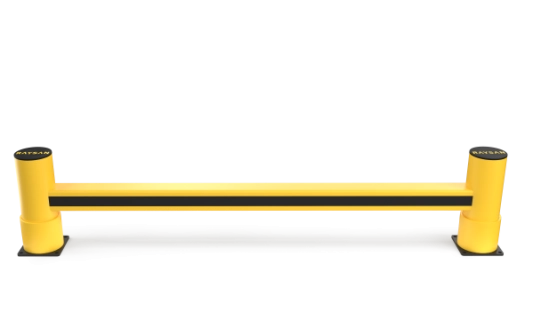
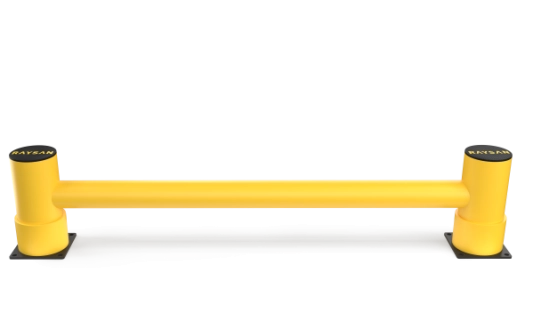
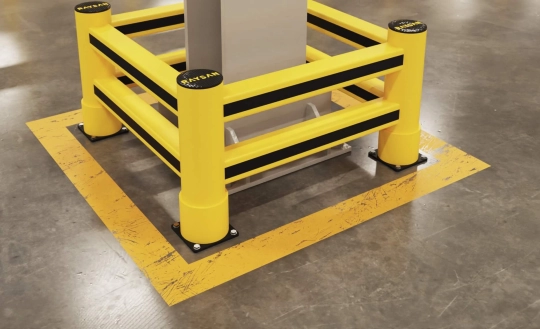
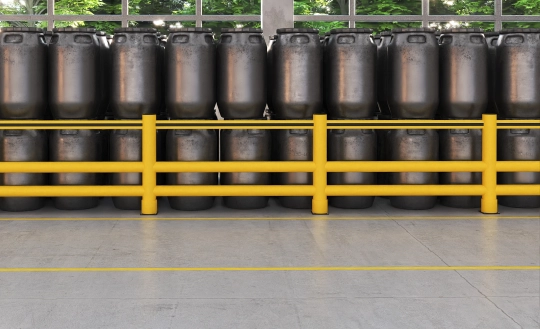
For individual rack uprights, upright protectors are available. At the ends of racking rows, different types of frame protection can be used to shield a larger vulnerable area. Pallet stops and backstops are also part of the range for specific risks around warehouse racking.

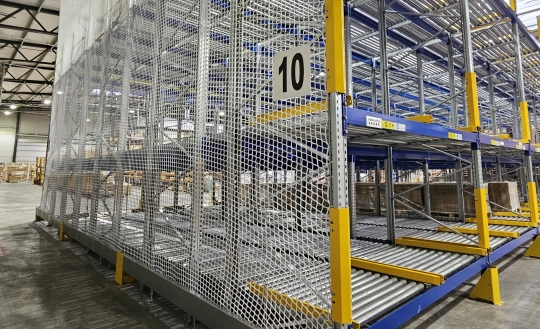
Which type of protection is most suitable depends on the position of the racking, the direction of travel, vehicle movements and the available space. If the main risk is not a collision but falling goods, safety netting, mesh panels or grating may be more appropriate.

Inspect first or protect immediately?

Inspect first or protect immediately?

If your racking is undamaged, we can assess preventively where protection may be needed.

If damage is already visible, an assessment is more important than simply placing new impact protection in front of it. First, it needs to be clear what condition the racking is in and which follow-up action is required.

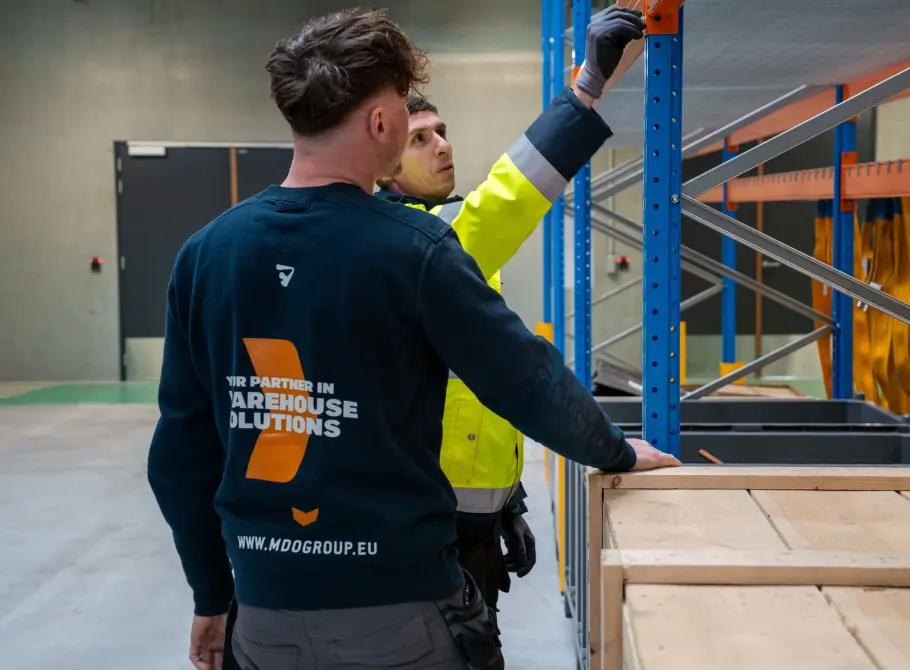
Our inspectors carry out visual inspections, record defects and provide an inspection report with findings and recommendations.

After the assessment, inspection, repair, racking protection and any necessary adjustments to the warehouse layout can be coordinated in a targeted way.

Which legislation and standards are relevant to warehouse racking?

Which legislation and standards are relevant to warehouse racking?

In Belgium, the Well-being Act and the Code on Well-being at Work form the legal basis. For warehouse racking, the rules relating to safe workplaces and traffic routes, work equipment and mobile work equipment such as forklifts are particularly relevant. They require employers to reduce risks, organise traffic routes safely and ensure that work equipment is used and maintained safely.

In addition, EN 15635, Steel static storage systems – Application and maintenance of storage equipment, is the main European standard for the safe use, inspection and maintenance of steel storage systems. In Belgium, it is applied as NBN-EN 15635 and in the Netherlands as NEN-EN 15635. The standard is not legislation, but it does describe how racking should be used, inspected and maintained safely.

At European level, Directive 2009/104/EC is also relevant. It lays down minimum requirements for the safe use of work equipment in the workplace and requires, among other things, that work equipment is safe, properly maintained and inspected where necessary.