


What Does a Single Forklift Collision Really Cost? The Hidden Costs of Warehouse Damage
A rack that's been hit again. A column with visible damage. An aisle that has required repairs more than once. In many warehouses, these may seem like isolated incidents, but they often point to the same underlying problem: internal transport is causing recurring damage and creating unsafe situations.
At first glance, a single collision may seem like a minor issue. However, the costs rarely stop with repairing the damaged component. Follow-up inspections are required, areas may need to be taken out of service temporarily, and employee safety can be compromised.
In this article, we explore what a single forklift collision really costs—and why preventing damage is often far more cost-effective than repairing it time and time again.
The Visible Cost: Repair or Replacement
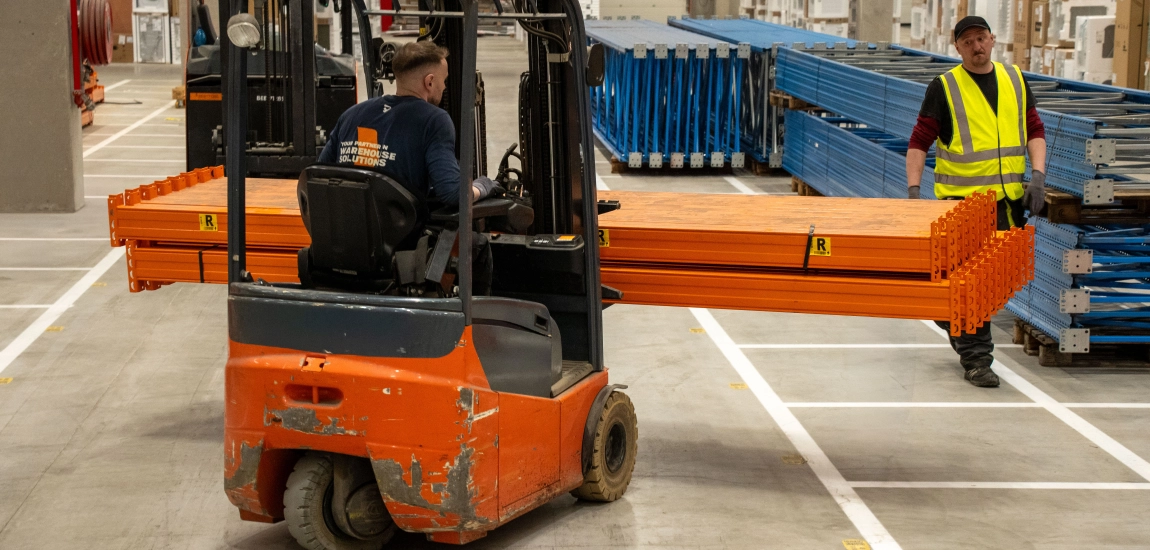
The most obvious cost is repairing or replacing damaged infrastructure.
Examples include:
- Damaged pallet racks or rack components
- Impacted columns
- Damaged doors or access points
- Damage to machinery or technical installations
Depending on the severity of the impact, repair costs can quickly escalate. In addition, replacement is not always immediately possible, meaning temporary measures often have to be put in place.
The Hidden Costs: Downtime, Delays, and Extra Work
For many businesses, the greatest expense is not the damaged component itself, but the disruption to daily operations. When a rack is damaged, it must first be assessed to determine whether it can still be used safely. In some cases, storage locations must be taken out of service temporarily or inventory has to be relocated.
Minor damage is also frequently underestimated. A slightly bent upright or previous impact damage may not appear urgent, but it can weaken the structure. If the same area is struck again, the damage can become more severe and lead to safety risks or operational downtime much sooner.
What may appear to be a minor incident often results in multiple cost items, including:
- Repairing or replacing damaged components
- Inspections, safety checks, and technical follow-up
- Temporary downtime or reduced storage capacity
- Delays in order picking, order processing, and deliveries
- Additional labour, administration, and lost productivity
As a result, the total cost is often significantly higher than the initial repair.
Why Minor Forklift Impacts Can Lead to Major Safety Risks
A collision does not always result in immediately visible damage. However, the structural integrity of a rack, column, or installation may already have been compromised.
If damage is not identified and assessed in time, it can create risks for employees, stored goods, and internal transport—especially if the same location is struck again later.
That is why it is important to assess not only the visible damage after an impact but also the safety of the affected area.
Why Forklift Damage Often Keeps Returning
Many warehouses have recurring high-risk locations where damage repeatedly occurs.
A sharp corner. A busy intersection where forklifts and pedestrians cross paths. A narrow passage with limited manoeuvring space. Or a column positioned directly in a traffic route.
When the same locations continue to suffer damage, it pays to look beyond repairs alone. The question is no longer how to repair the damage—but how to prevent it.
From Damage Repair to Damage Prevention in Your Warehouse
The least expensive collision is the one that never happens.
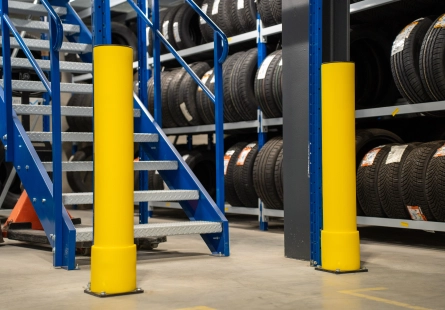
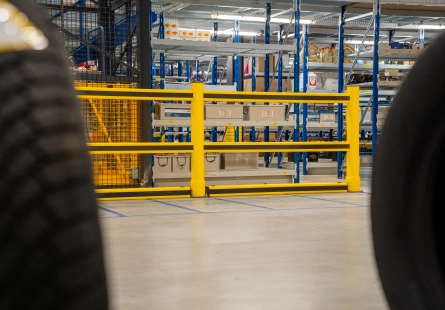
By identifying high-risk areas and protecting them with the right solutions, companies can significantly reduce damage, downtime, and safety risks.
It all starts with understanding your warehouse environment: where do most impacts occur, which infrastructure is most vulnerable, and which areas require additional protection?
Want to Prevent Forklift Damage in Your Warehouse?
MDO Group helps companies identify high-risk areas and select the right warehouse protection solutions.
From analysis and consultancy to supply and installation, we help you prevent damage, minimise downtime, and improve warehouse safety.
Request a warehouse safety assessment or contact us for tailored advice.